Inside Wisconsin Aluminum Foundry: Advanced Casting Methods
Wiki Article
The Relevance of Aluminum Foundries in Sustainable Industrial Practices
Aluminum foundries are essential to sustainable commercial practices. They successfully reuse and produce aluminum, a product understood for its light-weight and green properties. By carrying out advanced innovations and renewable resource, these foundries substantially reduce energy usage and discharges. In addition, their recycling capabilities save natural resources and cultivate a round economy. As the demand for sustainable remedies grows, the role of aluminum foundries proceeds to advance, increasing vital inquiries regarding their future effect.The Function of Aluminum in Lasting Manufacturing
Several products are utilized in modern-day manufacturing, aluminum stands out due to its unique buildings that add to sustainable practices. Its lightweight nature minimizes power consumption throughout transport and application, significantly decreasing carbon impacts throughout numerous markets. Aluminum's resistance to deterioration prolongs its life expectancy, decreasing the demand for replacements and resource-intensive maintenance. On top of that, it is highly recyclable, with the capacity to maintain its residential properties after multiple cycles, advertising a round economy. This recyclability minimizes the demand for raw products, conserving all-natural sources and power. In addition, aluminum can be produced with reduced greenhouse gas emissions contrasted to other metals, specifically when sourced from recycled material. As industries increasingly prioritize sustainability, aluminum's adaptability and eco-friendly characteristics position it as an essential material in accomplishing greener production processes. Its duty in reducing environmental impact highlights the significance of aluminum in modern commercial practices, lining up with worldwide sustainability goals.Power Effectiveness in Aluminum Foundries
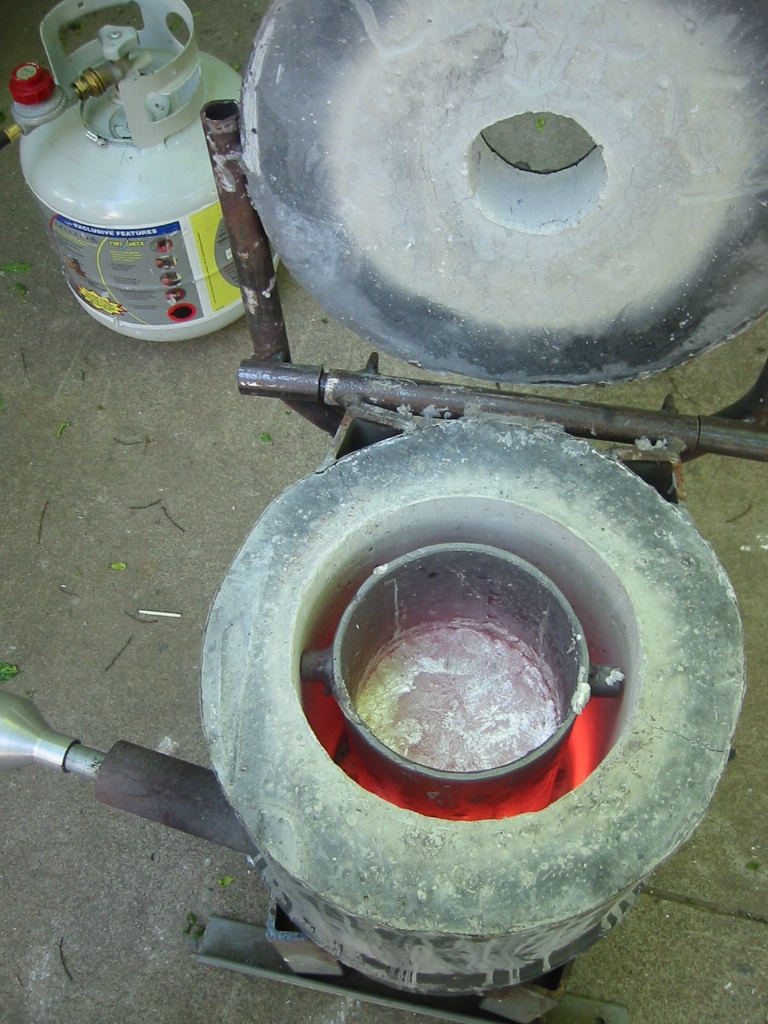
In addition, refining operational procedures via automation and real-time surveillance can further boost power administration. Normal maintenance of tools guarantees peak performance, while worker training on energy-saving techniques promotes a culture of sustainability within the labor force.
Investments in sustainable power sources, such as solar or wind power, likewise add to lowering the carbon impact of aluminum foundries. By prioritizing energy efficiency, these centers not just lower functional prices however also play a pivotal duty in promoting a sustainable commercial landscape, straightening with broader environmental goals.
Recycling and Resource Conservation
Recycling and source preservation play a necessary duty in the sustainability techniques of aluminum foundries, matching energy effectiveness efforts. Aluminum is just one of the most recycled products worldwide, with the reusing process needing just 5% of the power needed for primary manufacturing. Factories proactively accumulate scrap aluminum from various resources, including post-consumer items and making waste, consequently lowering the requirement for virgin product removal. This practice not only conserves natural deposits however likewise minimizes greenhouse gas emissions connected with mining and refining.Moreover, the closed-loop recycling system executed by numerous foundries guarantees that aluminum parts are recycled repetitively without destruction of quality. This system improves material performance and contributes to a circular economy. By prioritizing recycling and source preservation, aluminum foundries considerably mitigate their ecological effect while advertising sustainable commercial techniques that benefit both the economy and society.
Innovations in Aluminum Production Processes
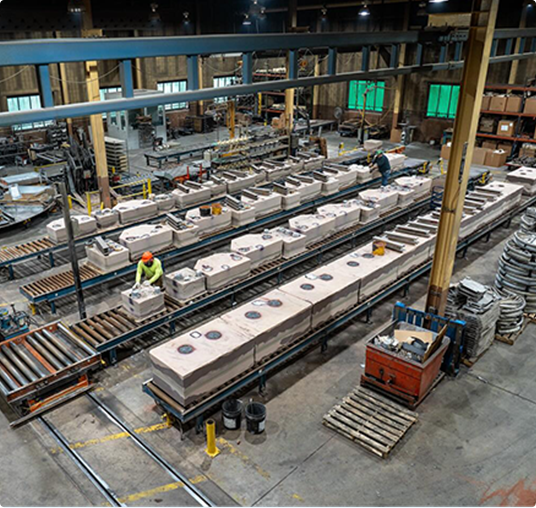
Innovations in aluminum production processes are transforming the market, concentrating on decreasing energy consumption and enhancing efficiency. One notable advancement is the fostering of advanced smelting methods, such as inert read here anode modern technology, which significantly decreases greenhouse gas exhausts while boosting outcome quality. Furthermore, the assimilation of automation and fabricated intelligence in assembly line has streamlined procedures, enabling real-time monitoring and modifications that maximize source use.The advancement of new alloys and composite products likewise enhances the mechanical buildings of aluminum while keeping its light-weight attributes. Technologies in reusing methods, consisting of closed-loop systems, enable for the healing of products with minimal waste. Furthermore, the execution of renewable resource sources in aluminum smelting plants is ending up being significantly prevalent, lining up manufacturing with sustainability goals. Jointly, these developments not just enhance efficiency but also position the aluminum industry as a leader in lasting production practices.
The Influence of Aluminum Foundries on Circular Economy
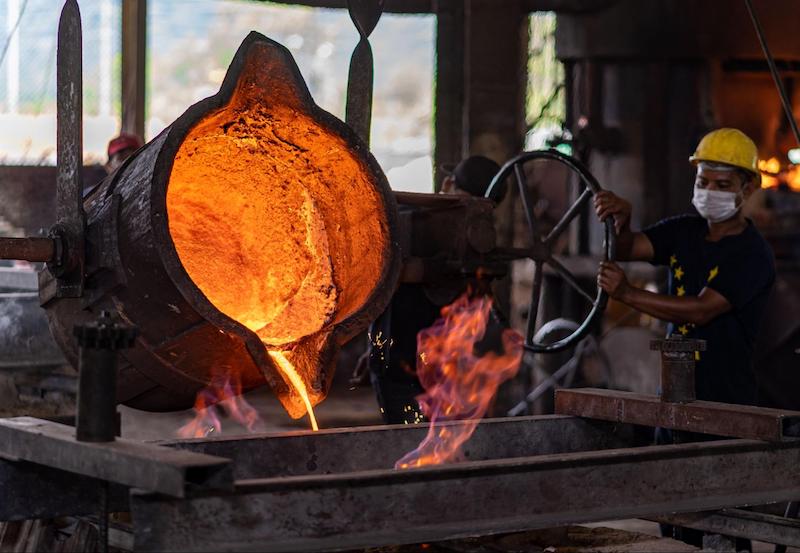
Aluminum foundries play an important duty in cultivating a circular economic situation by emphasizing the relevance of material recuperation and reuse. By making use of recycled aluminum, foundries substantially minimize the need for virgin materials, reducing ecological effect and conserving power. The procedures used in aluminum foundries enable the reliable change of scrap aluminum back into high-quality ingots, which can be repurposed for brand-new products - Aluminum Castings. This practice not only reduces carbon exhausts yet also decreases waste in land fills, aligning with the principles of sustainabilityAluminum's intrinsic residential properties-- such as light-weight and sturdiness-- enhance item longevity, minimizing the regularity of replacement. The combination of aluminum foundries within regional economic situations advertises job production and sustains lasting practices, as they usually work together with industries concentrated on recycling and source administration. In general, aluminum foundries contribute beforehand circular economy campaigns, showing their value in contemporary commercial practices.
Frequently Asked Concerns
How Do Aluminum Foundries Contribute to Work Production in Local Communities?
Aluminum foundries add to work production in local neighborhoods by offering employment opportunities across various ability degrees, boosting regional economies via increased earnings, and cultivating labor force development, eventually sustaining lasting development and area strength.What Are the Ecological Influences of Aluminum Mining?
Aluminum mining significantly influences the setting via deforestation, environment devastation, and water contamination. The extraction process usually results in soil degradation and contributes to greenhouse gas discharges, impacting regional ecological communities and communities reliant on natural deposits.How Does the Price of Aluminum Contrast to Other Steels?
Aluminum normally sets you back much straight from the source less than metals like copper Go Here and gold, yet greater than iron and steel (Aluminum Foundry). Its rate fluctuates based on market demand, manufacturing costs, and international economic conditions, affecting different industries and applications
What Accreditations Should Customers Seek in Sustainable Aluminum Products?
Customers need to look for accreditations such as the Aluminum Stewardship Initiative (ASI) certification, ISO 14001 for environmental administration, and the Worldwide Recycle Standard (GRS) to guarantee sustainability in aluminum items, advertising responsible sourcing and environmental stewardship.How Can Businesses Assess the Sustainability of Their Aluminum Providers?
Businesses can assess the sustainability of aluminum vendors by reviewing qualifications, bookkeeping practices, evaluating energy use, and guaranteeing adherence to environmental guidelines. Teaming up with providers that focus on green processes is important for lasting operations.As aluminum foundries undertaking to enhance their sustainability efforts, energy effectiveness emerges as a critical focus area. Investments in sustainable power resources, such as solar or wind power, additionally contribute to reducing the carbon impact of aluminum foundries. Reusing and resource conservation play a vital role in the sustainability practices of aluminum foundries, complementing power performance efforts. By utilizing recycled aluminum, foundries substantially decrease the need for virgin materials, minimizing ecological impact and preserving power. The procedures utilized in aluminum foundries enable for the effective makeover of scrap aluminum back right into high-quality ingots, which can be repurposed for brand-new items.
Report this wiki page